A single bee flying over a sunlit field of tall grass with a warm golden glow and soft focus in the background. A honeybee in mid-flight above sunlit tall grass with a warm golden background, capturing a serene and natural outdoor scene.

Save The Bees
(And The Humans Too)

Through science, sustainability, and collective action.

Bees pollinate nearly one-third of the global food supply, yet their populations are under growing pressure from pesticides, habitat loss, disease, and climate change.

Wooden beehives on a grassy hillside with a mountainous background during sunset.

Protecting Pollinators

Saving the bees is one of the most powerful ways we can protect the planet. Protecting bees and other pollinators helps protect:

Global food systems
Bees are responsible for pollinating the crops that stock our shelves, feed our livestock, and sustain agricultural economies worldwide. Without them, the variety and abundance we take for granted starts to disappear.

Biodiversity
Bees support the reproduction of wild plants that countless species depend on for food and shelter. Protect the bee, and you protect the web of life built around it.

Ecosystem health
Healthy pollinator populations are a leading indicator of a thriving ecosystem. Where bees flourish, the land tends to follow.

Human wellbeing
From the nutrients in our food to the stability of the natural systems that clean our air and water, bees quietly underpin a lot of what keeps us healthy. Their decline isn't just an ecological issue, it's a human one.

The Biggest Threats to Bees

Over the past two decades, beekeepers in North America have lost nearly 40% of their honey bee colonies each year on average due to factors like:

Icon of a watering can watering plants with a circular border.

Pesticides

Pesticides weaken bees’ immune systems and interfere with their ability to navigate, forage, reproduce, and maintain healthy colonies.

Outline of a globe with a hand holding it, symbolizing global support or care.

Habitat Loss

Urban development and large-scale monoculture farming eliminate the diverse flowering plants bees rely on.

Icon of a sun and wave in a circular design on a white background

Climate Change

Changing weather patterns disrupt blooming cycles and reduce reliable food sources.

Outline of various microorganisms including rod-shaped bacteria and circular cells inside a circle, representing disease or parasites.

Disease and Parasites

Bee populations can also be affected by parasites and pathogens that weaken colonies.

A Love Letter To The Bees

GET INVOLVED

Young woman in a light-colored beekeeping suit standing outdoors with a beekeeping veil hanging on her back, set against a sunlit, green hilly landscape.

Your Ultimate Toolkit for Saving the Bees by Carly Kremer

I worked with researchers at the UC Davis E. L. Niño Bee Lab to put together a comprehensive guide to saving the bees.

Read on Substack
Close-up of a bee perched on a green plant stem with soft sunlight filtering through a blurred yellow-green background.

Our Impact

Our Partnership with the UC Davis Honey Bee Research Facility

Protecting pollinators requires strong science. That’s why we partner with the UC Davis Honey Bee Research Facility, the leading research center in the country for bee health and pollinator ecosystems.

Their work helps advance our understanding of the challenges bees face — from disease to pesticide exposure to habitat loss — and how we can better protect them.

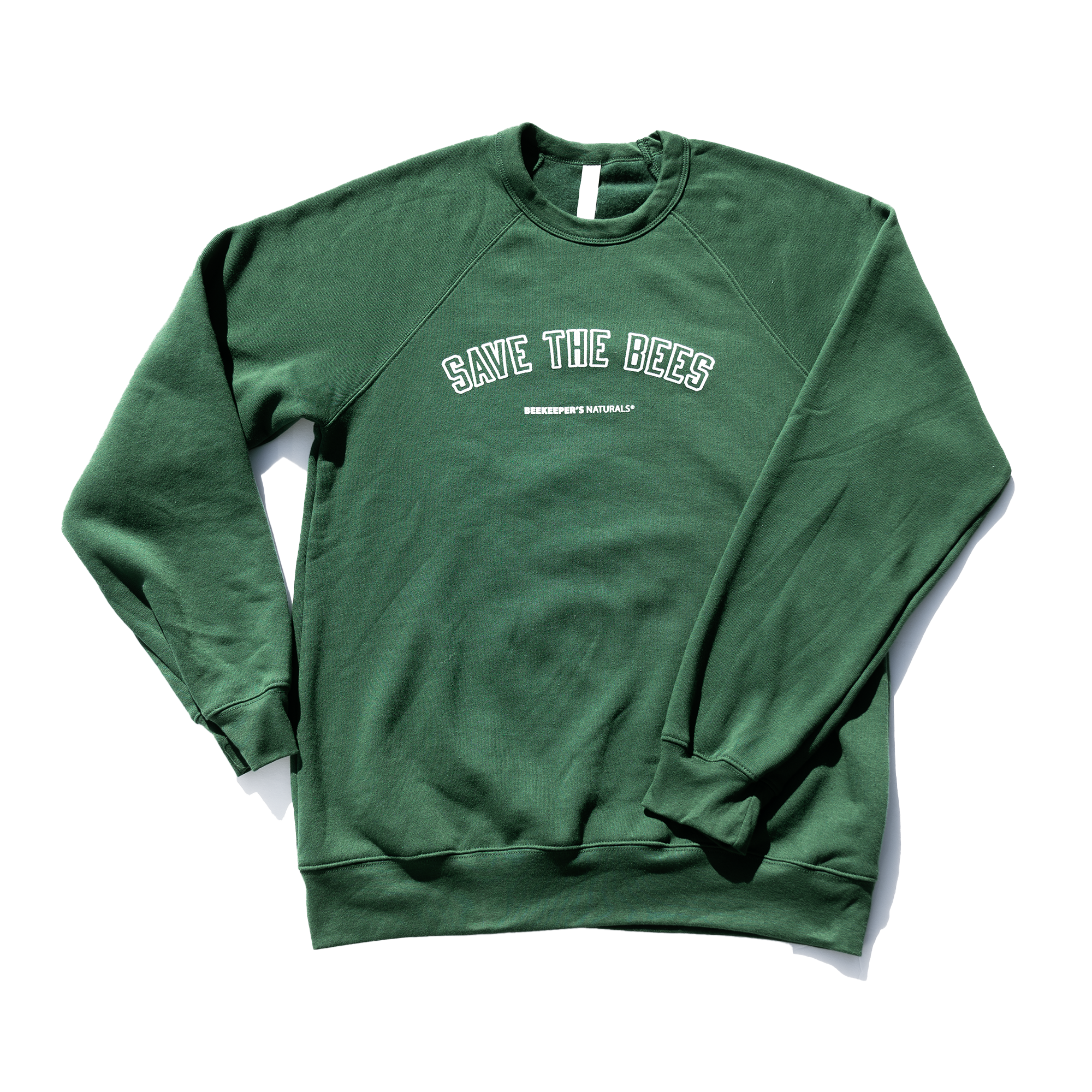
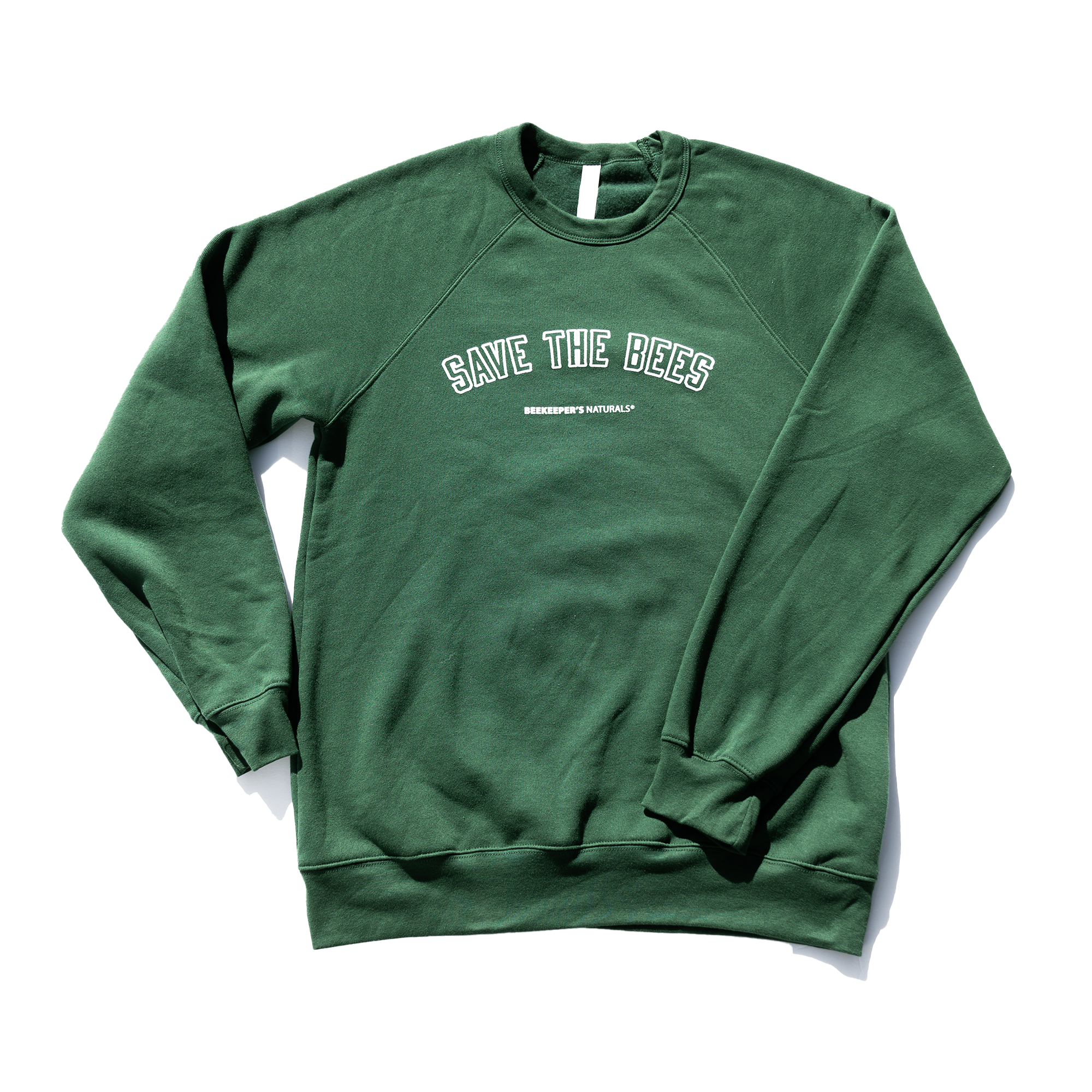
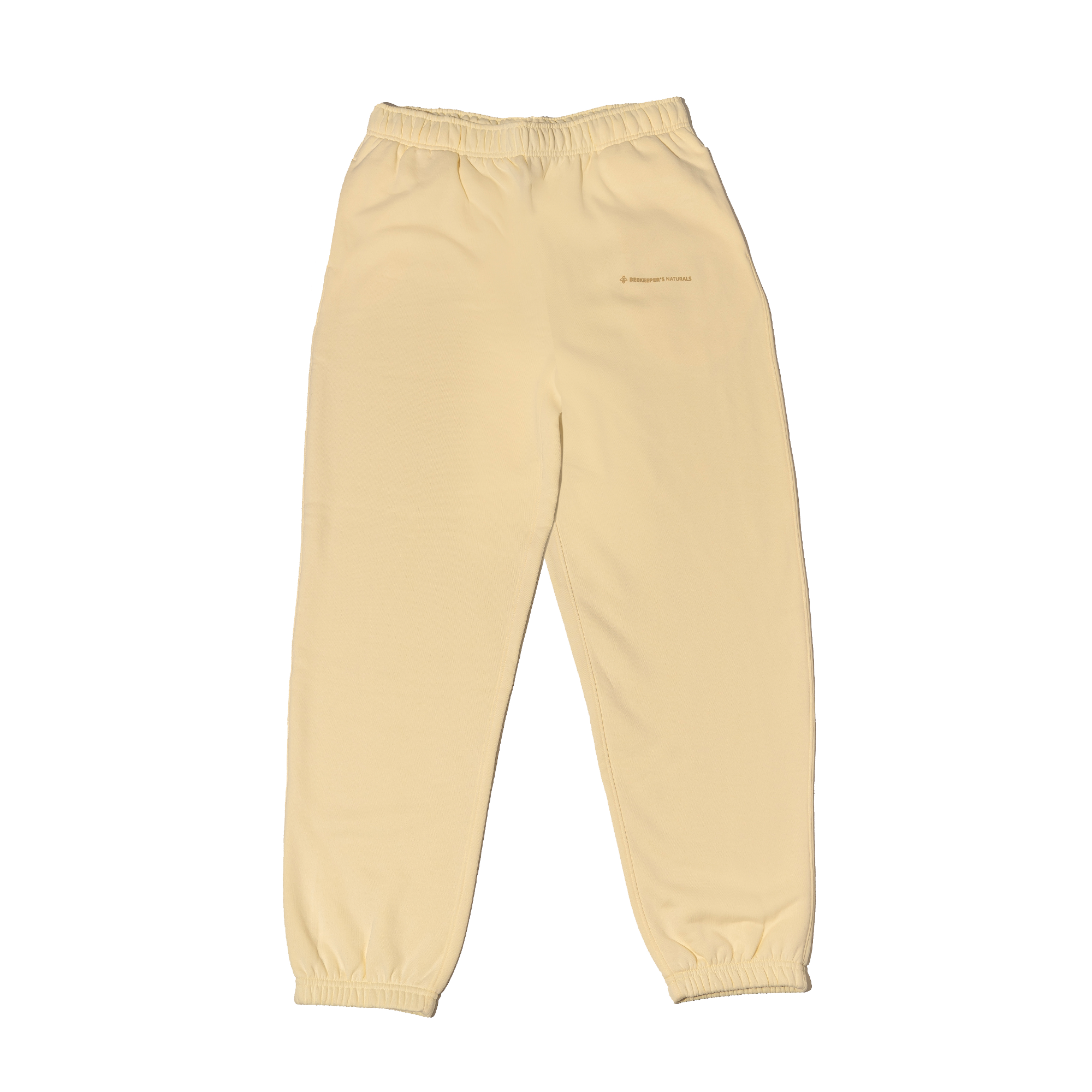
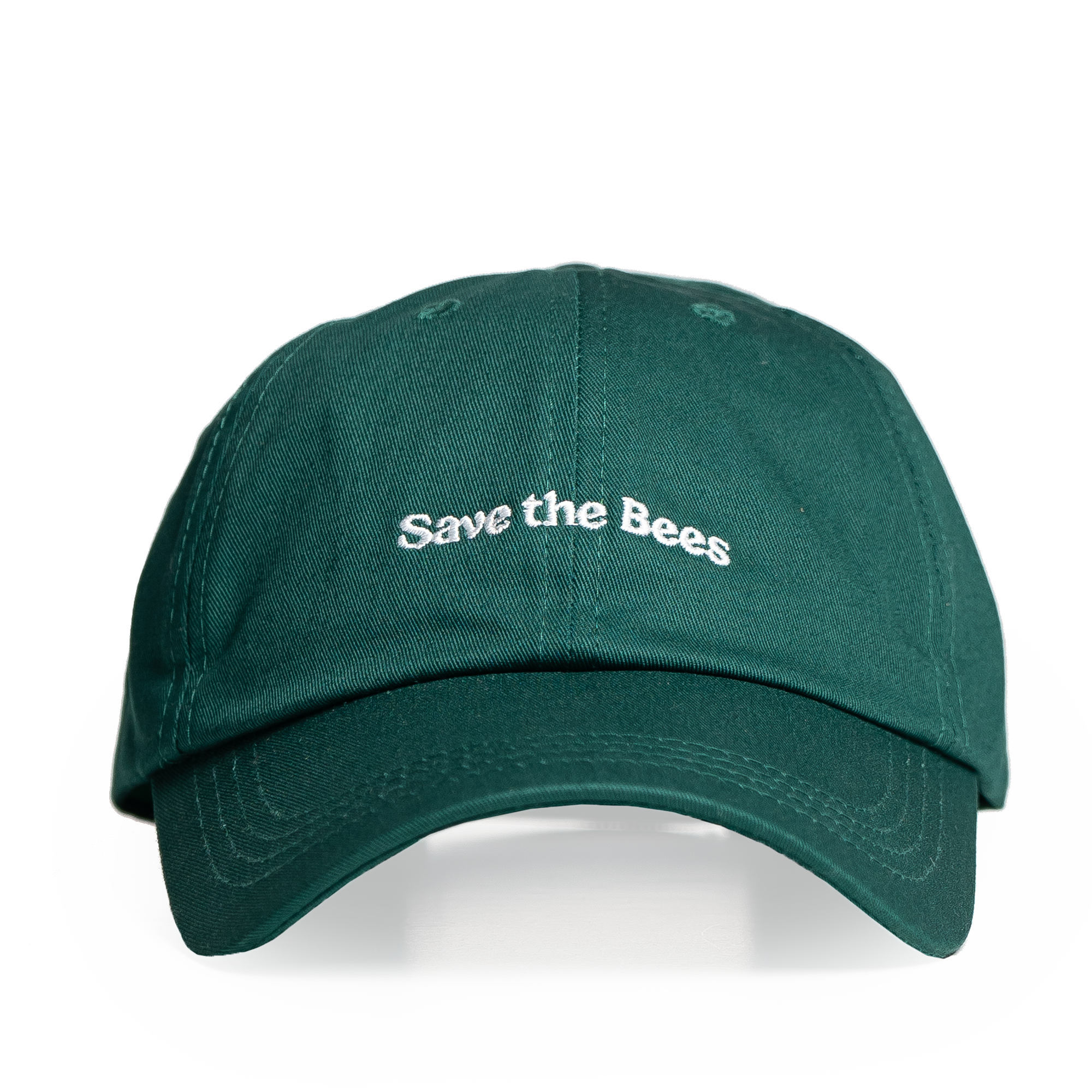
100% of proceeds from our Save the Bees merchandise support the UC Davis Honey Bee Research Facility, helping fund ongoing research into pollinator health and conservation.

Together, we’re supporting the science that helps protect bees and the ecosystems that depend on them.

What We Do to Protect the Bees

We source from regions free from glyphosate contamination and partner with apiaries that use low-intervention practices. When you prioritize bee wellbeing, everyone benefits. Healthy bees make better products.

We partner with suppliers that follow regenerative beekeeping practices and put bee health first. That means never over-harvesting honey, propolis, pollen or royal jelly. We only take what the bees don't need.

We leave enough honey and pollen in the hive for bees to feed themselves naturally, without artificial sugar feeding that weakens their immune systems. Our beekeepers use native bee species and operate in biodiverse environments where bees have access to varied, nutrient-rich forage.

Our products are not certified organic. Instead, we third-party test every formula for pesticides and heavy metals to make sure we only bottle the very best ingredients.

Organic certification is difficult for bee ingredients because of the harvest and forage radius of honey bees. We can't verify whether the plants and flowers bees forage from are organic, and neither can anyone else. The USDA National Organic Program also doesn't have specific apiculture standards for bee ingredients. That means "Organic Honey" on the market right now is only certified per livestock standards, not standards built for bees or how they forage.

Because we test to EU standards for pesticides and bee treatments, we're already testing to the most rigorous standards available. And since there are no USDA apiculture standards to begin with, we're going above and beyond what the industry requires.

Additionally, most small, sustainable beekeepers who genuinely care for their colonies can't afford the organic certification process. The larger commercial operations that can afford it don't always practice sustainable beekeeping or treat their bees like family. We partner with beekeepers who do.